4 Warning Signs Your Older A/C Unit Is About to Fail This Summer
Premier Comfort Heating & Cooling • August 11, 2026
Pushing an aging air conditioner through another hot summer in Orléans often ends with a sudden breakdown on the hottest day. Homeowners tend to ignore the subtle warning signs of mechanical failure until the system refuses to turn on. At Premier Comfort Heating & Cooling Ltd, we know that recognizing these early indicators gives you time to plan for an A/C installation rather than scrambling for an emergency replacement. Waiting until total failure often means paying premium rates and suffering in a hot house.
An air conditioner rarely dies without giving you a few weeks of noticeable symptoms first. Whether it is strange noises from the outdoor cabinet or weak airflow from the bedroom registers, the equipment will tell you when internal components are failing. By tracking these operational changes, you can make an informed decision about upgrading your cooling system before it leaves you stranded. Here are four concrete warning signs your older A/C unit is reaching the end of its life.
What We Cover:
- Tip #1: Listen for Metal-on-Metal Grinding Sounds
- Tip #2: Track Weak Airflow and Warm Output
- Tip #3: Monitor for Frequent Short Cycling
- Tip #4: Calculate the Rising Cost of Operation
- Frequently Asked Questions
Tip #1: Listen for Metal-on-Metal Grinding Sounds
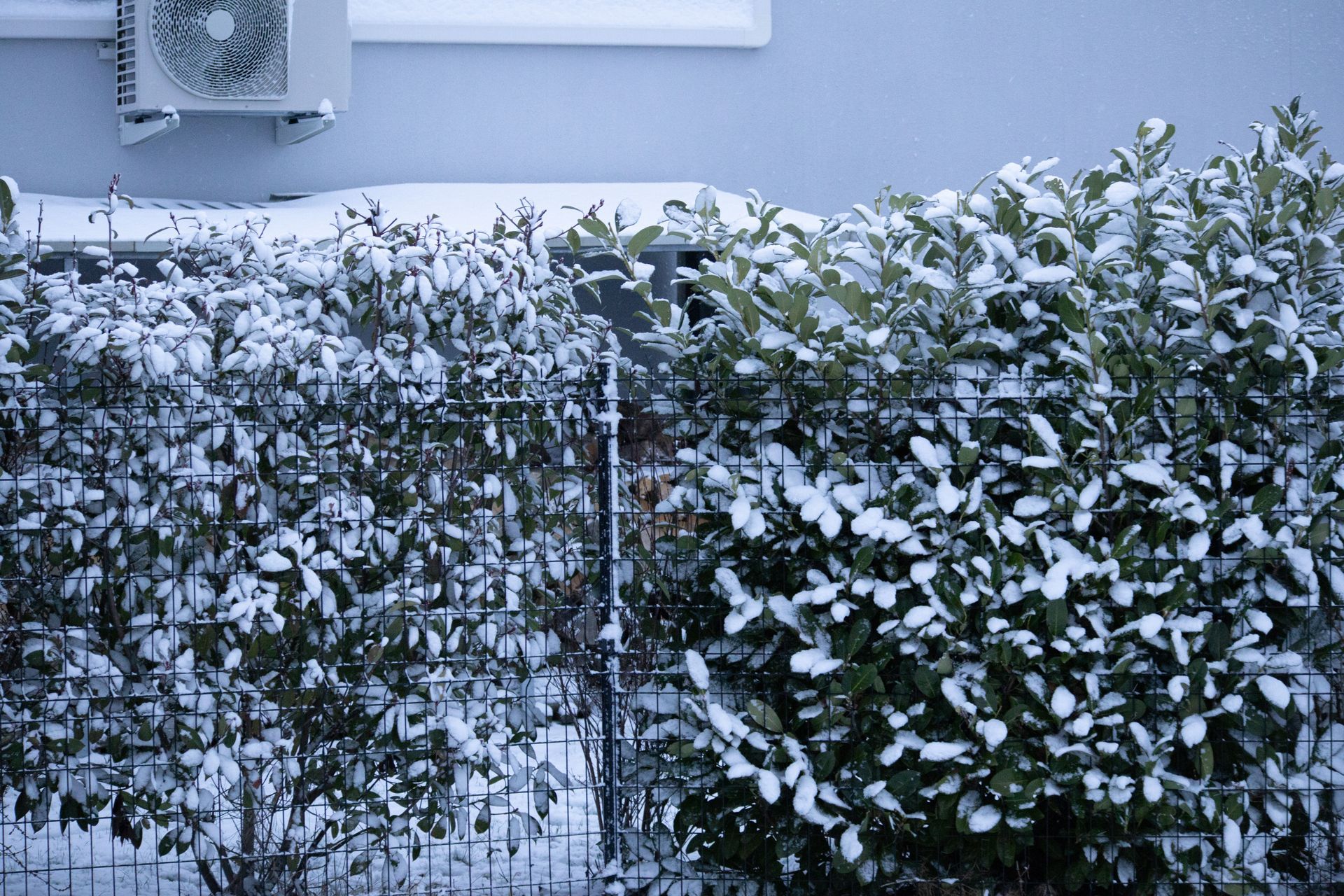
The outdoor condenser unit should produce a steady hum when running. If you start hearing a loud screeching or grinding noise, the motor bearings inside the fan or the compressor itself are failing. On units older than twelve years, a failed compressor almost always dictates a full system replacement.
- Bearing Failure: Worn out bearings create severe friction that leads to motor burnout.
- Compressor Strain: A grinding noise indicates internal mechanical destruction that cannot be repaired.
Tip #2: Track Weak Airflow and Warm Output
If your unit runs continuously but the air from the vents feels weak or lukewarm, the system has lost its capacity to transfer heat. This usually points to a compromised compressor valve or a significant refrigerant leak. Repairing a major leak in an older system is often more expensive than installing a modern ductless split system or central unit.
- Valve Degradation: Internal compressor valves wear out, preventing the system from properly pressurizing refrigerant.
- Micro-Leaks: Older copper coils develop tiny pitting leaks that slowly vent refrigerant into the atmosphere.
Tip #3: Monitor for Frequent Short Cycling
An air conditioner should run in steady cycles of fifteen to twenty minutes to properly dehumidify your home. When a unit turns on, runs for three minutes, and abruptly shuts off, it is experiencing short cycling. This constant starting and stopping puts immense electrical strain on the start capacitor and the compressor motor.
- Electrical Overload: The startup phase draws heavy electricity, and repeating it burns out the contactor relay.
- Dehumidification Failure: Short cycles never run long enough to pull humidity out of the air.
Tip #4: Calculate the Rising Cost of Operation
A failing air conditioner loses its energy efficiency long before it completely breaks down. If you notice a sharp spike in your hydro bills despite keeping the thermostat at your normal setting, the equipment is working harder to produce the same cooling. Comparing your current utility bills to previous years quantifies how much efficiency your old system has lost.
- Coil Corrosion: Corroded outdoor coils lose their ability to shed heat efficiently.
- Mechanical Friction: Aging motors draw more amperage to overcome physical resistance in the bearings.
Frequently Asked Questions
How long do air conditioners usually last in Ontario?
A standard central air conditioner operating in the Ontario climate typically lasts between twelve and fifteen years. The relatively short cooling season helps extend the lifespan compared to southern climates, but harsh winter weather still degrades the outdoor cabinet. Once a unit passes the twelve-year mark, major components like the compressor become highly susceptible to mechanical failure.
Why is my A/C blowing warm air suddenly?
Sudden warm air from your vents usually indicates that the outdoor compressor has tripped a safety switch or failed to start. This often happens when a cheap electrical component like the run capacitor blows, leaving only the indoor fan running. A technician can easily test the capacitance to determine if a simple part swap will restore the cold air.
Is it worth fixing a 15-year-old air conditioner?
From a trade perspective, investing heavy repair money into a fifteen-year-old air conditioner is a poor financial decision. Systems of this vintage use outdated refrigerants that are incredibly expensive to replace, and fixing one part does not stop other components from breaking. Applying the repair cost toward a modern installation provides better reliability.
Make the Call Before Total System Failure
Recognizing the signs of a dying air conditioner puts the control back in your hands. Addressing a failing unit now allows you to explore installation options without the stress of an emergency breakdown. Upgrading your equipment guarantees reliable comfort and protects you from sudden repair spikes during the hottest weeks. Contact our office today to schedule a thorough assessment.
Share This Blog