Why Your A/C Freezes Up During Humid Ottawa Augusts and How to Fix It
Premier Comfort Heating & Cooling • August 5, 2026
It happens to plenty of Ottawa homeowners during the heavy late summer humidity. You walk outside and see a block of ice wrapped around your central cooling unit while the house stays uncomfortably warm. At Premier Comfort Heating & Cooling Ltd, we field calls constantly in August about frozen air conditioners that have suddenly stopped cooling the property. A frozen A/C coil means there is a critical failure in either airflow or refrigerant pressure that requires immediate attention.
Trying to run a frozen air conditioner will eventually destroy the compressor and lead to a massive repair bill. The first step is always turning the system off entirely to let the ice thaw before anyone can diagnose the root cause. While the ice melts, understanding the mechanical reasons behind the freeze helps you communicate the symptoms to a professional. This guide breaks down the common culprits behind a frozen system and explains exactly how to handle the situation.
What We Cover:
- Poor Airflow Starves the Evaporator Coil
- Low Refrigerant Pressures and System Leaks
- The Dangers of DIY Ice Melting
Poor Airflow Starves the Evaporator Coil
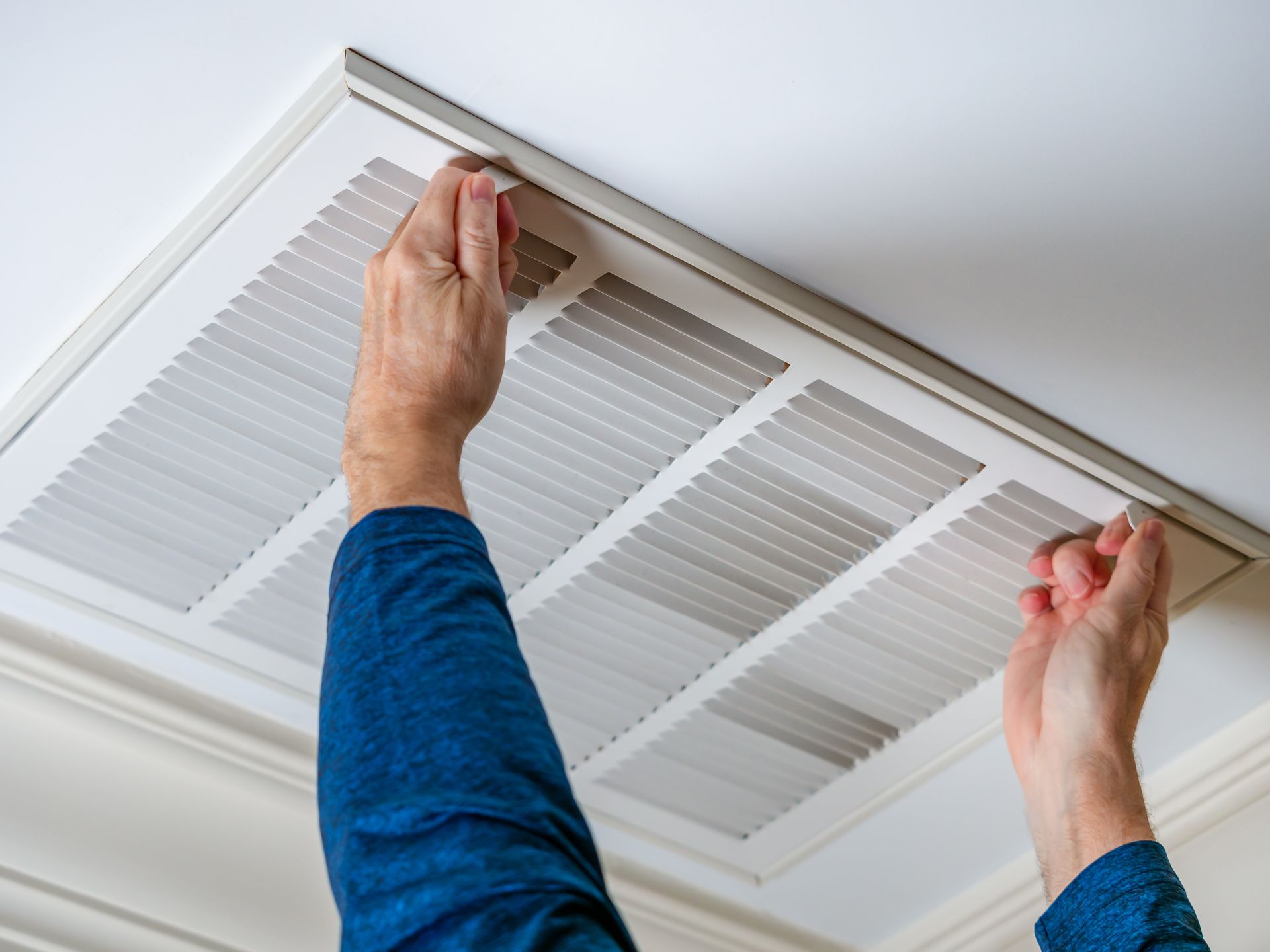
Your air conditioner relies on a steady flow of warm indoor air blowing across the cold evaporator coil to function correctly. When a clogged air filter or blocked return vent restricts this airflow, the coil drops below freezing temperatures. Condensation from the humid indoor air then builds up on the metal and turns to solid ice. This block of ice acts as an insulator that prevents any remaining air from passing through the system. Checking and replacing a heavily soiled filter is the one diagnostic step a homeowner should always take before calling for A/C service.
→ From a professional standpoint: A filter clogged with pet dander and dust is the number one cause of coil freezing we see in residential HVAC systems.
Low Refrigerant Pressures and System Leaks
An air conditioner does not consume refrigerant the way a car consumes gas. If your system is low on refrigerant, there is a physical leak somewhere in the copper lines or the coils. Low refrigerant causes the pressure inside the system to drop, which paradoxically forces the temperature of the evaporator coil to plummet below freezing. The moisture in the air freezes on contact and the ice quickly spreads down the refrigerant lines toward the outdoor condenser.
Why is there ice on my air conditioner pipes outside?
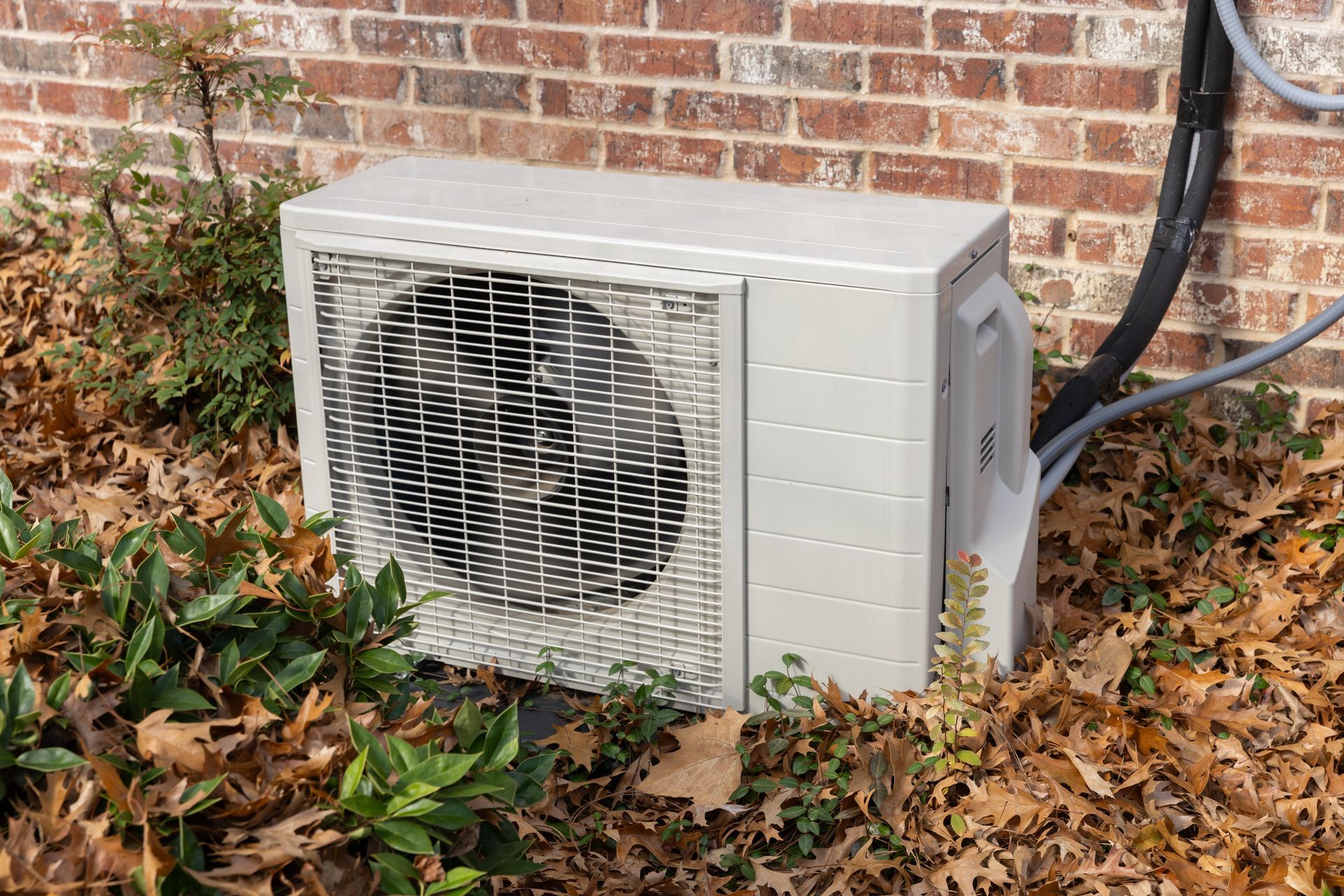
When the indoor evaporator coil freezes solid, the supercooled refrigerant has nowhere to absorb heat inside the house. This freezing liquid travels back down the suction line toward the outdoor compressor, freezing the humidity in the outdoor air onto the exterior copper pipe. Seeing a thick layer of white frost or solid ice on the thick outdoor pipe is a massive red flag that your system is actively freezing up inside the house. Continuing to run the unit in this state sends liquid refrigerant directly into the compressor motor, which will destroy the internal valves.
Taking the time to properly diagnose these complex refrigerant or airflow issues rather than just treating the symptom is a core part of our service approach. This attention to detail is something clients notice firsthand when we are on site.
► Client Experience: Martin and his crew were fantastic. They came to install a Rinnai tankless hot water system at our house. Communication before they came was great (via text/calls). They completed their job as agreed upon and went the extra mile to fix a few issues that they noted as they completed their job. They also fixed a few items from our furnace which was not to code and ensured I was satisfied with their work. - Juan Pablo Lavin
Fixing the root cause of the problem prevents the same frustrating freeze from happening again next week.
The Dangers of DIY Ice Melting
Homeowners often panic when they lose cooling and try to speed up the thawing process using hair dryers, heat guns, or sharp tools. Chipping at the ice with a screwdriver or knife is a guaranteed way to puncture the thin aluminum fins or the copper coils themselves. A single puncture releases all the remaining refrigerant into the atmosphere and turns a standard repair into a complete coil replacement. Applying direct high heat can also warp the delicate metal components or melt the plastic drain pan situated beneath the coil.
→ A quick tip to remember: Turn the thermostat to the off position, turn the fan setting to the on position, and let the indoor blower motor melt the ice naturally over a few hours.
Secure Your Cooling System Before the Compressor Fails
Once the ice has completely melted, the root mechanical issue still remains inside the equipment. Leaving a system prone to freezing puts massive strain on the expensive outdoor compressor unit. Having a technician measure the airflow and check the refrigerant charge is the only way to restore reliable cooling to your property. Reach out to our team today to get your air conditioner properly diagnosed and repaired.
Share This Blog