Don't Book a Tankless Water Heater Upgrade Until You Check Your Gas Line
Premier Comfort Heating & Cooling • August 19, 2026
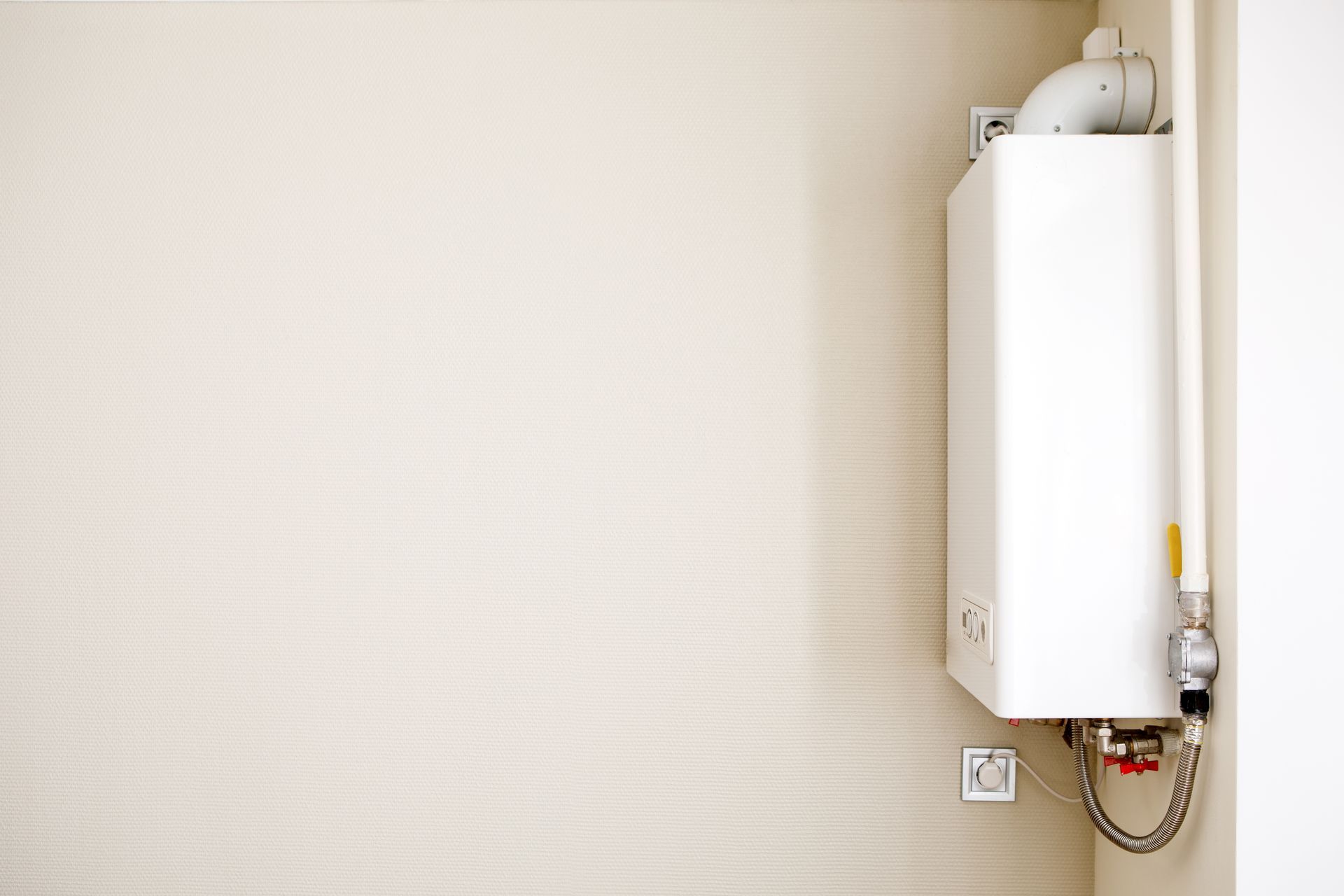
Making the switch to on-demand hot water sounds incredibly appealing to homeowners tired of running out of hot water mid-shower. Many people assume a tankless water heater upgrade is a basic plumbing swap where the old tank is hauled away and the new unit hangs neatly on the wall. The reality at Premier Comfort Heating & Cooling Ltd is that these modern systems demand very specific gas and electrical infrastructure to operate safely.
Failing to evaluate your property before committing to an installation often leads to unexpected costs and severe project delays. We want our clients to understand exactly what is required to support this heavy-duty equipment before any old plumbing gets disconnected. Knowing what to look for and what technical questions to ask your technician ensures your project stays on budget and delivers the expected results for your home.
What We Cover:
- Gas Line and Venting Requirements
- Red Flags to Watch for When Evaluating Installers
- Crucial Questions to Ask Before You Book
Gas Line and Venting Requirements
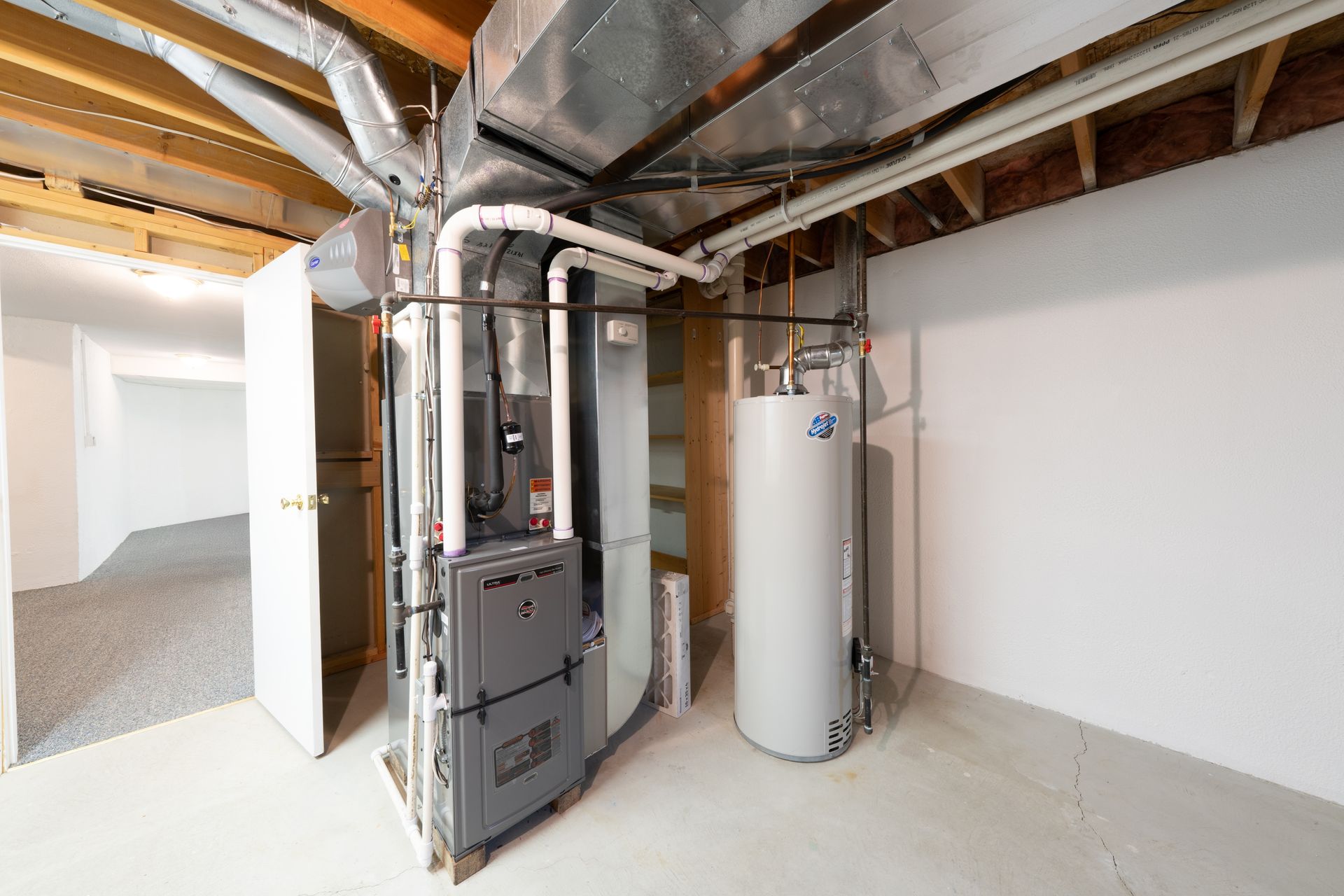
Upgrading your system means moving from a slow, steady heating process to an intense, rapid heating cycle that flashes water to high temperatures instantly. This mechanical shift requires a massive volume of natural gas delivered in a very short window of time. In areas like Rockland, many older properties were built with standard plumbing infrastructure that simply cannot support these sudden utility demands. Your current setup must be completely evaluated to prevent the new equipment from starving for fuel.
Does a tankless water heater require a bigger gas line?
Yes, most standard water tanks operate perfectly fine on a half-inch gas line, while tankless models typically require a dedicated three-quarter-inch line to function properly. Without this larger supply line, the unit will trigger internal pressure errors and shut down during heavy usage.
- Venting Materials: High-efficiency units produce an acidic exhaust vapor that will melt standard metal chimney liners, requiring specific PVC or CPVC piping to safely vent outdoors.
- Electrical Needs: Unlike old atmospheric tanks that rely solely on pilot lights, tankless systems need a dedicated electrical outlet to power the internal computer board and ignition sensors.
- Meter Capacity: Your overall property gas meter might need a physical upgrade from your local utility provider to handle the sudden spike in total household gas demand.
Red Flags to Watch for When Evaluating Installers
The HVAC industry maintains strict safety standards for installing high-BTU appliances inside residential properties. A contractor rushing the sales process often skips the vital load calculations needed to keep your property safe and up to code. Be highly skeptical of any service provider who exhibits these warning signs during the quoting phase.
- Phone Only Quotes: Anyone who gives you a firm price without physically inspecting your gas lines, electrical panel, and exhaust routes is just guessing at the scope of work.
- Skipping Permits: This specific equipment requires proper gas fitting permits and safety inspections to ensure all carbon monoxide risks are completely eliminated from the living space.
- Ignoring Water Quality: Hard mineral water destroys internal heat exchangers quickly, so an honest installer should always discuss your water quality and recommend proper filtration.
Crucial Questions to Ask Before You Book
You are making a significant financial investment in your daily comfort and long-term property value. Asking the right technical questions separates trade experts from handymen looking for a quick paycheck. If your home cannot support a tankless system safely, asking these questions might lead you to explore alternative options like a standard water heater installation instead.
- Sizing Strategy: Ask exactly how they calculated the required flow rate in gallons per minute for your specific household shower and appliance usage.
- Maintenance Requirements: Have them explain the mandatory annual flushing process and what happens to your warranty if the internal components scale up with calcium.
- Warranty Support: Clarify if they are an authorized dealer for the specific brand they are quoting and if they handle defective parts claims directly.
Make Your Upgrade Decision with Confidence
Understanding the structural requirements of your property puts you firmly in control of the installation process. Evaluating your gas lines and venting pathways upfront prevents stressful surprises once the heavy work begins. Reach out to our team to schedule a thorough assessment of your current plumbing and find out if going tankless makes sense for your property.
Share This Blog