The Ottawa Homeowner's Guide to Winterizing Central Air Conditioners
Premier Comfort Heating & Cooling • September 2, 2026
Shutting down your cooling equipment properly is just as critical as maintaining it during the hot months. When fall arrives in Ottawa, many homeowners ignore their outdoor units until the snow is already piled high against the metal cabinet. At Premier Comfort Heating & Cooling Ltd, we see the expensive damage caused when basic end-of-season care is completely skipped. Taking an hour to properly prepare your system now prevents massive repair bills when you try to start it back up next year.
Winterizing central air conditioners is a straightforward process that protects the internal components from rust and physical debris. The goal is to secure the hardware against the elements without creating a trap for moisture and rodents. A few simple maintenance steps will keep the copper lines intact and the fan motor dry. Following a professional shutdown routine ensures your equipment is ready to perform perfectly when the warm weather returns.
What We Cover:
- Immediate Aftercare: Clearing the Outdoor Cabinet
- The Biggest Maintenance Mistake Homeowners Make
- Ongoing Winter Habits to Protect Your Equipment
- Secure Your Cooling Equipment Before the Snow Flies
Immediate Aftercare: Clearing the Outdoor Cabinet
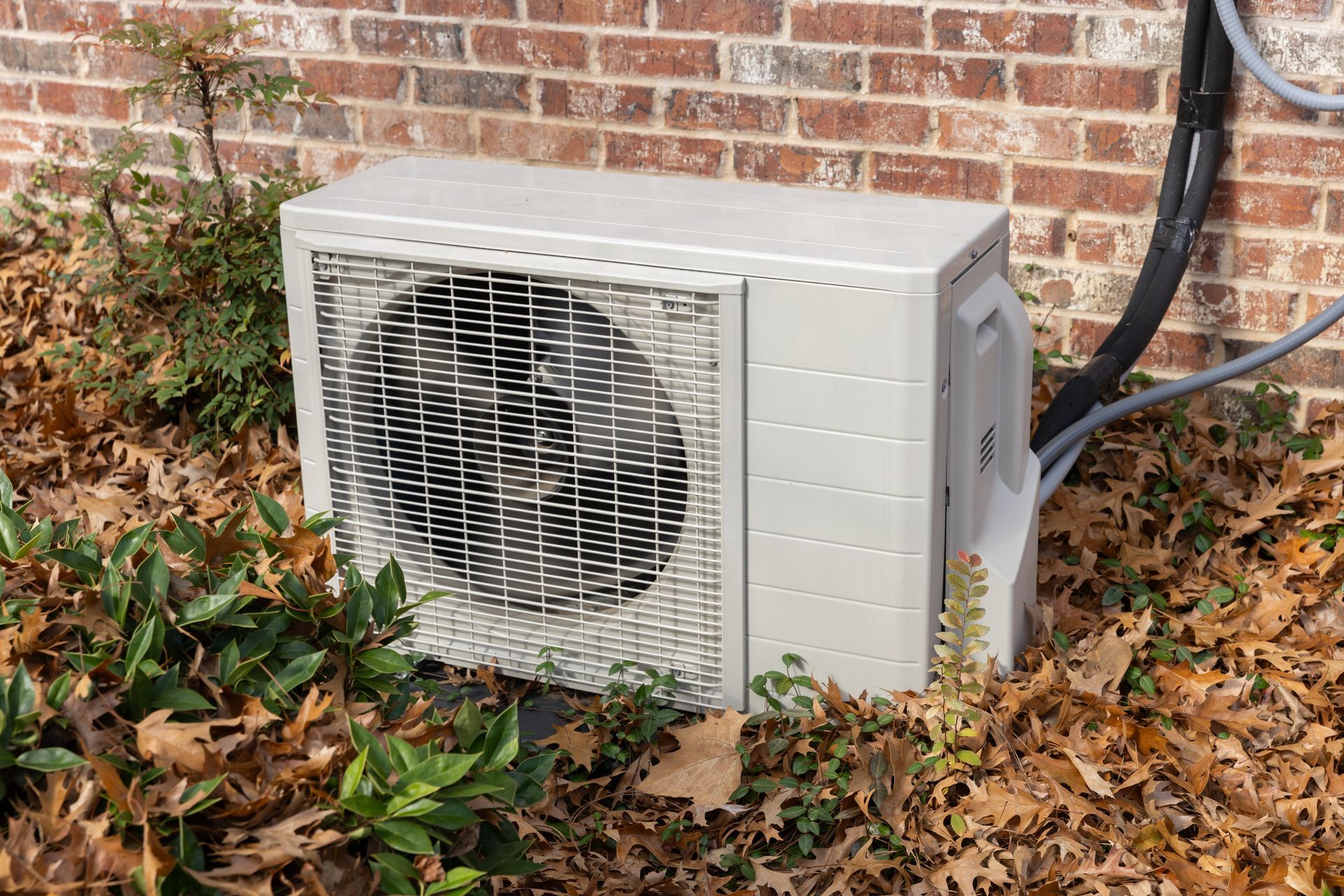
The first step in protecting your system is removing the debris that accumulated over the summer. Leaves and dirt trapped against the metal fins will hold moisture against the aluminum and cause severe pitting. You must clear the area around the unit to ensure proper airflow and drainage before the ground freezes.
- Power Disconnect: Turn off the dedicated breaker box outside to prevent the system from accidentally turning on during a mild winter day.
- Gentle Cleaning: Use a regular garden hose to wash away loose dirt from the exterior cabinet panels.
- Perimeter Check: Cut back any overgrown bushes or branches that are within two feet of the condenser unit.
The Biggest Maintenance Mistake Homeowners Make
People naturally want to protect their expensive machinery from harsh winter weather. The instinct is to wrap the entire unit in a heavy plastic tarp and tie it down tight. Doing this actually creates a greenhouse effect that destroys the equipment from the inside out.
► Moisture trapped under a tight plastic tarp will rot your electrical contactors and rust the internal coil long before spring arrives.
Should you cover your central air conditioner in the winter?
You should only cover the very top of the air conditioner to keep heavy ice and falling branches out of the fan grille. Using a piece of plywood cut to size or a breathable mesh cover protects the delicate fan blades perfectly. Leaving the sides completely exposed allows the wind to dry out the internal components and prevents mice from turning the electrical box into a warm winter nest.
Ongoing Winter Habits to Protect Your Equipment
Maintenance does not stop just because the snow has started to fall. You must monitor the area around your unit throughout the winter months to prevent physical damage from ice accumulation. Paying attention to the exterior hardware protects your A/C installation investment for the long term.
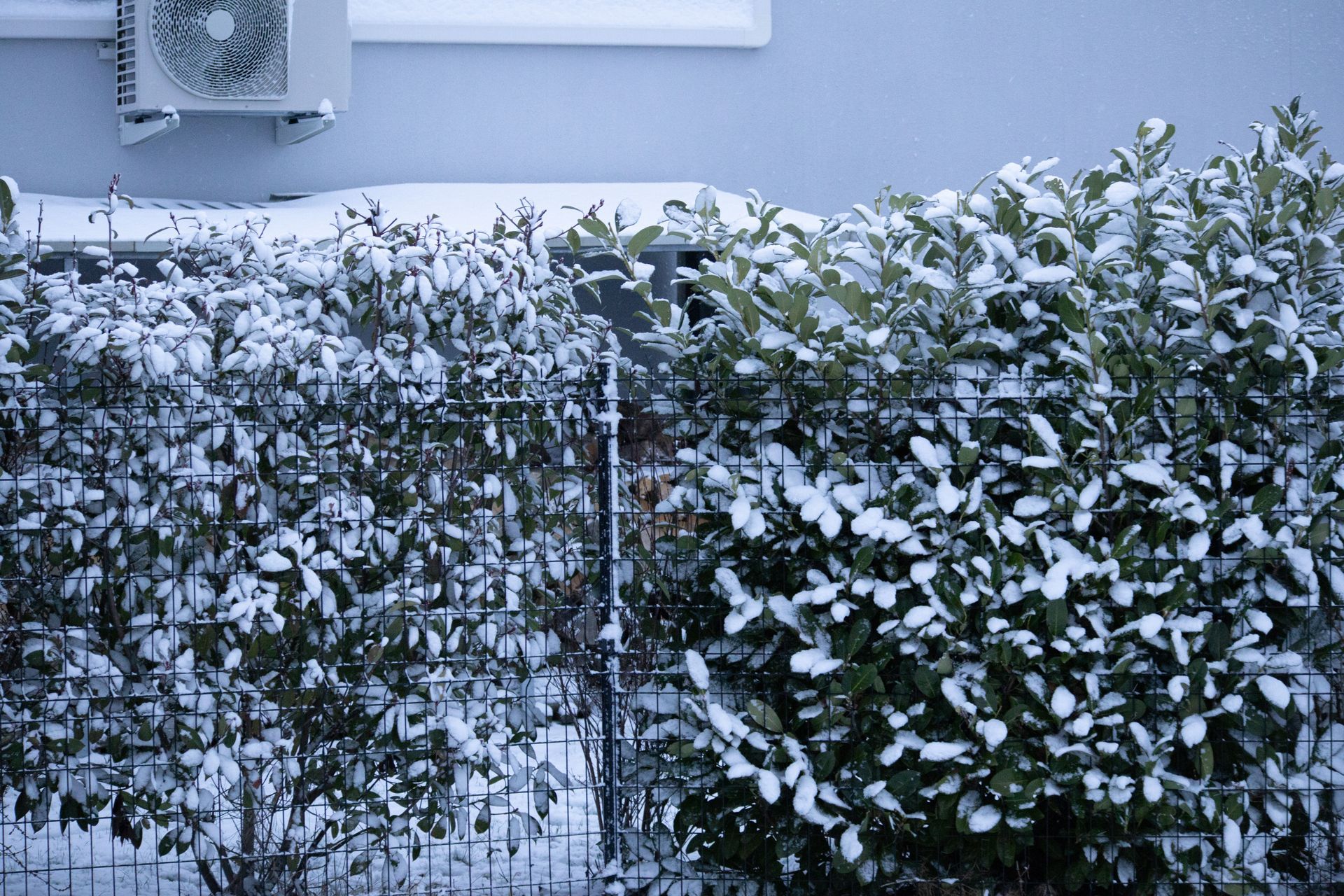
- Ice Removal: Carefully brush away heavy snow loads from the top cover without chipping at the metal cabinet.
- Gutter Leaks: Check the roof directly above the unit to ensure leaking gutters are not dumping solid blocks of ice onto the fan grille.
- Pet Deterrence: Keep dogs away from the equipment, as animal urine contains acids that will quickly eat through the aluminum fins.
Secure Your Cooling Equipment Before the Snow Flies
Proper shutdown procedures are the cheapest insurance policy you can buy for your cooling system. Taking the time to clear debris and protect the fan motor extends the lifespan of the entire unit. Leaving your equipment to rot under a plastic tarp guarantees a frustrating start to your next cooling season. Call our office today to learn about our cooling protection plan and let our professionals secure your system for the winter.
Share This Blog