Why Your Furnace Smells Like Burning Dust During the September Startup
Premier Comfort Heating & Cooling • September 16, 2026
Turning on your heating system for the first time in autumn often fills the house with an alarming odor. Many homeowners in Downtown properties panic and assume their equipment is actively catching fire in the basement. At Premier Comfort Heating & Cooling Ltd, we know that a furnace smells like burning dust because of debris settling on the internal parts during the idle summer months. Understanding what causes this odor helps you distinguish between a harmless startup and a dangerous mechanical failure.
A brief burning smell is a standard part of the seasonal transition, but it should dissipate quickly. If the odor lingers or changes to a sharp electrical scent, your equipment is warning you about a serious internal problem. Addressing the root cause of the smell protects your heat exchanger and keeps your indoor air quality safe. This guide explains exactly why that odor happens and what steps you must take to clear it.
Inside This Guide:
- Dust Accumulation on the Heat Exchanger
- Clogged Filters Starving the Blower Motor
- Why
DIY Furnace Cleaning Makes Things Worse
- Clear the Air Before Deep Winter
Dust Accumulation on the Heat Exchanger
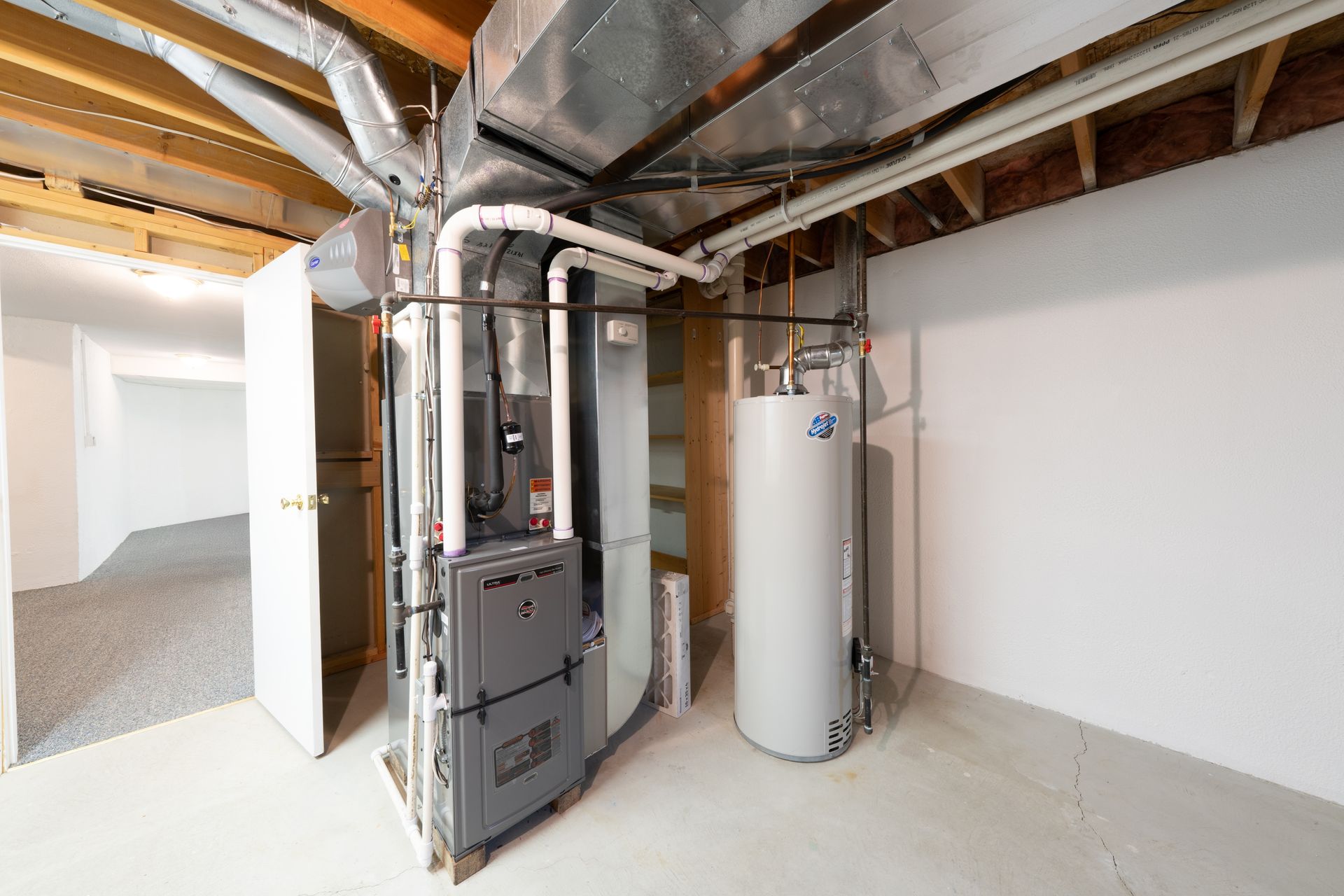
During the humid summer months, airborne particles naturally settle across the interior surfaces of your ductwork and heating equipment. The heat exchanger is a large metal component that gets incredibly hot when the gas burners ignite. When the thermostat calls for heat in September, the furnace fires up and instantly incinerates all the pet hair and dust resting on that metal surface. This process blows a distinct scorched smell directly through your supply vents.
Is it normal for a furnace to smell burnt when turned on?
Yes, experiencing a mild burning dust odor for the first thirty to sixty minutes of operation is completely normal. The smell is simply the system burning off the harmless debris that gathered over the summer. Open a few windows to ventilate the property and the smell should disappear entirely within an hour. If the odor smells like melting plastic or raw gas, shut the system off immediately and call a professional.
→ From a professional standpoint: A standard dust burn-off smells earthy and dry, while an electrical failure smells sharp and metallic.
Clogged Filters Starving the Blower Motor
Sometimes the burning smell is actually coming from a mechanical struggle rather than incinerated dust. If you leave a dirty air filter in the slot all summer, the blower motor has to work twice as hard to pull air into the system. This severe restriction causes the motor bearings to overheat and the electrical wiring to run dangerously hot. The smell of an overheating motor is often confused with burning dust, but it points to a critical airflow restriction.
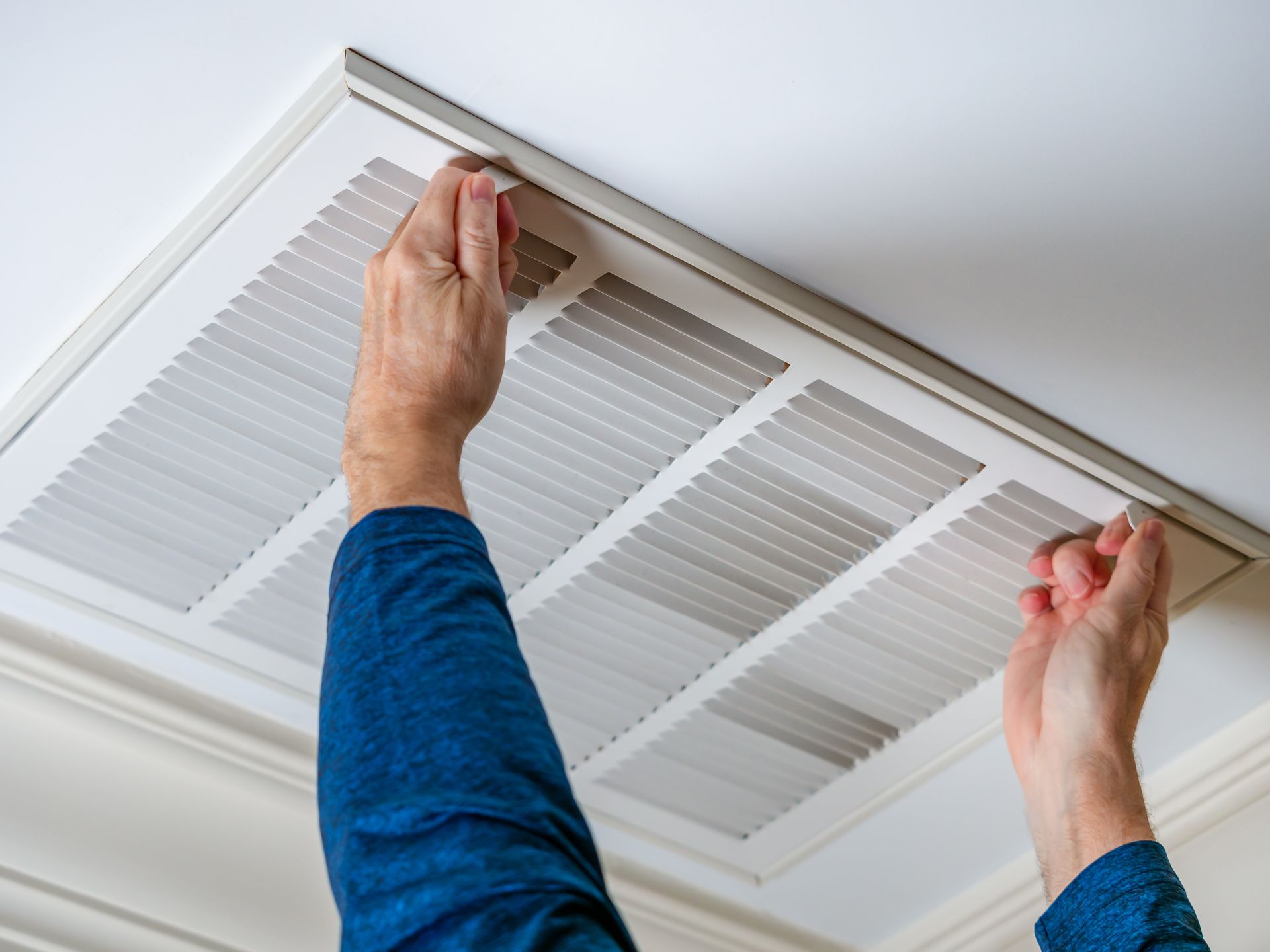
→ A quick tip to remember: Always slide a brand new filter into the rack before turning your thermostat to the heating mode for the first time.
Why DIY Furnace Cleaning Makes Things Worse
Trying to stop the startup smell by cleaning the internal furnace cabinet yourself usually leads to expensive part failures. Homeowners often use compressed air or stiff vacuums around the delicate burner assembly and the flame sensor. Bumping these sensitive electrical components misaligns the gas flow and can force the system into a safety lockout. Spraying household cleaners on the heat exchanger leaves a chemical residue that produces toxic fumes when the metal heats up.
You must leave the internal component cleaning to a trained technician during an annual inspection. A professional knows how to safely clear the burners without damaging the ceramic ignitor or the pressure switches. They also check for actual cracks in the heat exchanger, which a homeowner cannot see with a flashlight.
→ From a professional standpoint: Jamming a vacuum hose into the burner compartment is the fastest way to break a fragile hot surface ignitor.
Clear the Air Before Deep Winter
Dealing with strange odors from your vents is stressful when you just want a warm house. Knowing the difference between normal dust burn-off and a failing motor keeps your family safe and prevents unnecessary panic. If your system continues to produce a burning smell after the first day, you need a technical assessment. Contact our office to book a heating protection plan visit and ensure your equipment is operating safely.
Share This Blog