4 Reasons Early Fall Is the Smartest Time to Replace Your A/C System
Premier Comfort Heating & Cooling • September 22, 2026
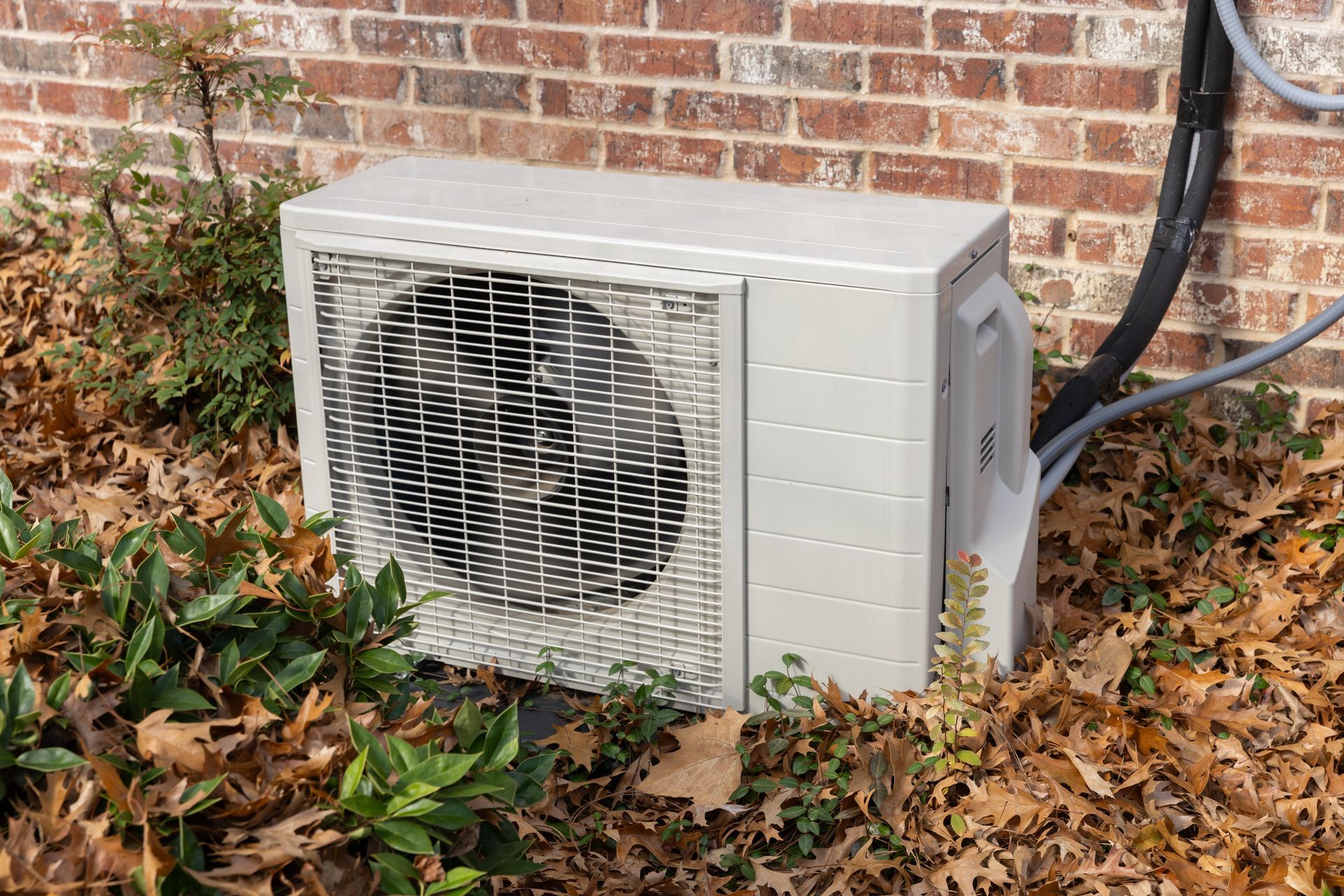
Waiting until your cooling system completely dies in July is the most expensive way to handle an upgrade. Savvy homeowners in Westboro know that planning a replacement during the off-season provides massive advantages in quality and pricing. At Premier Comfort Heating & Cooling Ltd, we constantly advise our clients to replace an A/C system in the fall when the frantic summer rush has finally ended. Taking control of the timeline allows you to make calm, informed decisions about your property.
The autumn months offer the perfect weather window for major exterior mechanical work. Technicians can perform meticulous installations without the physical pressure of extreme heat or back-to-back emergency calls. You gain access to better equipment availability and flexible scheduling that fits your daily routine. Here are four trade reasons why early fall is the smartest time to invest in new cooling equipment.
What to Consider:
- Tip #1: Leverage Contractor Availability for Better Installs
- Tip #2: Avoid the Peak Season Equipment Surcharges
- Tip #3: Combine Projects for Ductless Split Installations
- Tip #4: Allow Time for Proper Refrigerant Line Testing
- Frequently Asked Questions
Tip #1: Leverage Contractor Availability for Better Installs
During the peak heatwaves, HVAC technicians are rushing from one emergency breakdown to the next. In the fall, the schedule naturally slows down and allows installation crews to take their time on your property. This slower pace translates directly to a higher quality installation with perfect attention to detail.
- Meticulous Sheet Metal Work: Installers have the time to properly seal and tape every plenum connection without rushing.
- Clean Workspaces: Crews can focus on leaving your basement spotless instead of racing to the next hot house.
- Detailed Walkthroughs: The technician has ample time to explain the new thermostat functions and maintenance requirements to you.
Tip #2: Avoid the Peak Season Equipment Surcharges
Manufacturers and local supply houses often raise their prices when demand spikes in the middle of July. Purchasing equipment in September or October allows you to take advantage of end-of-season inventory clearing. Contractors are also more willing to offer favorable pricing to keep their crews busy during the shoulder season.
- Supply Chain Stability: You can actually choose the exact brand and model you want instead of settling for whatever is left in the warehouse.
- Promotional Rebates: Manufacturers frequently run aggressive fall promotions to clear out the current year models.
- Better Financing: Slower months often bring better financing terms from lenders looking to push volume.
Tip #3: Combine Projects for Ductless Split Installations
If you are considering adding cooling to a specific room, fall is the best time to drill through exterior walls. The mild weather makes it much easier to run the necessary conduit and wiring outside without battling severe weather. It is also the ideal time to pair a cooling upgrade with your annual heating maintenance.
- Structural Safety: Drilling through brick and siding is less risky when the materials are not frozen solid or scorching hot.
- Total System Integration: Technicians can balance the indoor air handlers while simultaneously checking your winter heating setup.
- Reduced Intrusion: Getting all the mechanical work done at once limits the amount of time tradespeople are walking through your living space.
Tip #4: Allow Time for Proper Refrigerant Line Testing
A proper A/C installation requires pulling a deep vacuum on the copper lines to remove all moisture before releasing the refrigerant. In the summer, crews are heavily pressured to speed up this vacuum process to get the cold air flowing. Fall installations allow the vacuum pump to run as long as necessary to achieve a perfectly dry line set.
- Moisture Eradication: A deep vacuum prevents microscopic water droplets from turning to acid inside the compressor motor.
- Perfect Pressures: Technicians can weigh in the exact refrigerant charge without the extreme outdoor heat throwing off the gauge readings.
- Brazing Quality: Taking time to braze the copper joints perfectly prevents the micro-leaks that plague rushed summer jobs.
Frequently Asked Questions
What is the cheapest time of year to buy an air conditioner?
The cheapest time to buy new cooling equipment is usually late September through November. Supply houses are eager to clear out their summer inventory to make room for winter furnaces and boilers. Contractors also lower their installation rates slightly to maintain steady work for their crews during the slower autumn weeks.
Should I replace my furnace and AC at the same time?
If your furnace is over ten years old, replacing both units at the same time is highly recommended. The two systems share the same interior blower motor and ductwork, so matching new equipment ensures perfect communication and airflow. Paying for one combined installation is also significantly cheaper than paying for two separate labor visits a few years apart.
How long does an AC installation take?
A standard central air conditioner replacement typically takes between four and eight hours to complete. This timeframe includes removing the old outdoor unit, installing the new indoor evaporator coil, and properly testing the copper lines. Complex jobs involving new electrical runs or duct modifications will take a full day.
Lock In Your Off-Season Installation
Upgrading your system on your own terms is the smartest financial move a homeowner can make. Beating the rush guarantees you get the exact equipment you want installed by technicians who are focused entirely on your property. Stop worrying about whether your old unit will survive another July heatwave.
Call our team today to schedule an estimate and secure a premium fall installation slot.
Share This Blog